Ponmudi through a bryologist’s lens- exploring the hidden world of mosses
Nestled within the southern Western Ghats, Ponmudi also known as “Golden Peak”, rises to an elevation of approximately 1,100 meters (3,600 ft) above sea level and forms part of the ecologically significant Agasthya Mala Biosphere Reserve. While many visitors are captivated by its mist-covered hills, waterfalls, and panoramic landscapes, our field trip from the Moss Lab, IISER Thiruvananthapuram, offered a different perspective: an exploration of the remarkable bryophyte diversity thriving within this ecosystem.

The journey from the foothills of Kallar to the upper reaches of Ponmudi revealed a striking gradient of habitats. Shola forests, grasslands, rocky outcrops, stream banks, soil cuttings, and tree trunks provided an array of microhabitats supporting diverse bryophyte communities. Frequent fog, high humidity, perennial water sources, and dense forest canopies create ideal conditions for the growth and persistence of mosses, liverworts, and hornworts. One of the most fascinating aspects of the excursion was observing how bryophytes occupy nearly every available surface. Delicate mats of mosses covered moist rocks along streams, while tree trunks hosted lush epiphytic communities. Soil cuttings along roadsides and grassland slopes were particularly rich in pioneer moss species that stabilize soil and contribute to nutrient cycling. Among the notable species encountered was Pogonatum, a distinctive moss characterized by its erect capsules borne on long smooth setae and a hairy calyptra. The species was frequently observed along exposed soil cuttings in grasslands and occasionally mixed with other mosses in semi-evergreen and evergreen forest habitats. Its ability to colonize disturbed substrates highlights the ecological role of mosses as early colonizers in developing ecosystems.
Ponmudi is recognized as a bryophyte hotspot within the Western Ghats. Floristic surveys have documented nearly fifty bryophyte taxa representing more than twenty families. Genera such as Pogonatum, Distichophyllum, Riccia, and Marchantia are commonly encountered throughout the region. Particularly noteworthy is the presence of rare and biogeographically significant species such as Distichophyllum, emphasizing the conservation value of these forests.
Beyond their taxonomic diversity, bryophytes perform essential ecological functions. Their ability to retain water, reduce soil erosion, facilitate nutrient cycling, and create microhabitats for microorganisms makes them indispensable components of tropical forest ecosystems. The field excursion also highlighted the intimate relationship between Ponmudi’s geography and biodiversity. The interaction of elevation, monsoon rainfall, and forest structure generates a mosaic of microclimates that support specialized bryophyte assemblages. Every shaded rock face, decaying log, and streamside boulder seemed to host its own miniature ecosystem, revealing a level of diversity often overlooked by casual observers. As bryologists, field experiences such as these bridge the gap between laboratory research and natural ecosystems. Observing mosses in their native habitats provides invaluable insights into their ecology, adaptation, and evolutionary significance. More importantly, it reinforces the need to conserve biodiversity-rich landscapes like Ponmudi, where even the smallest plants contribute profoundly to ecosystem functioning.
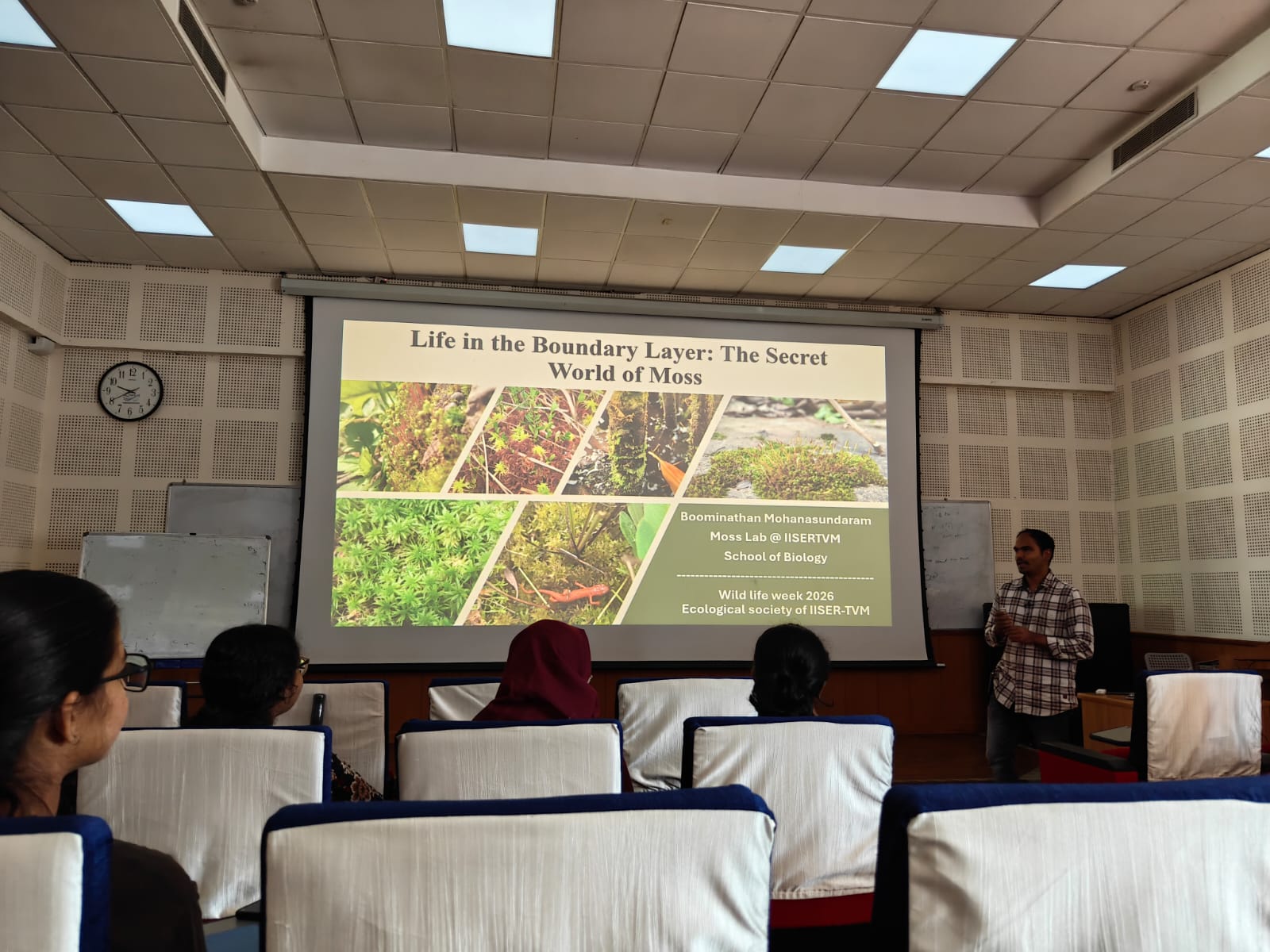
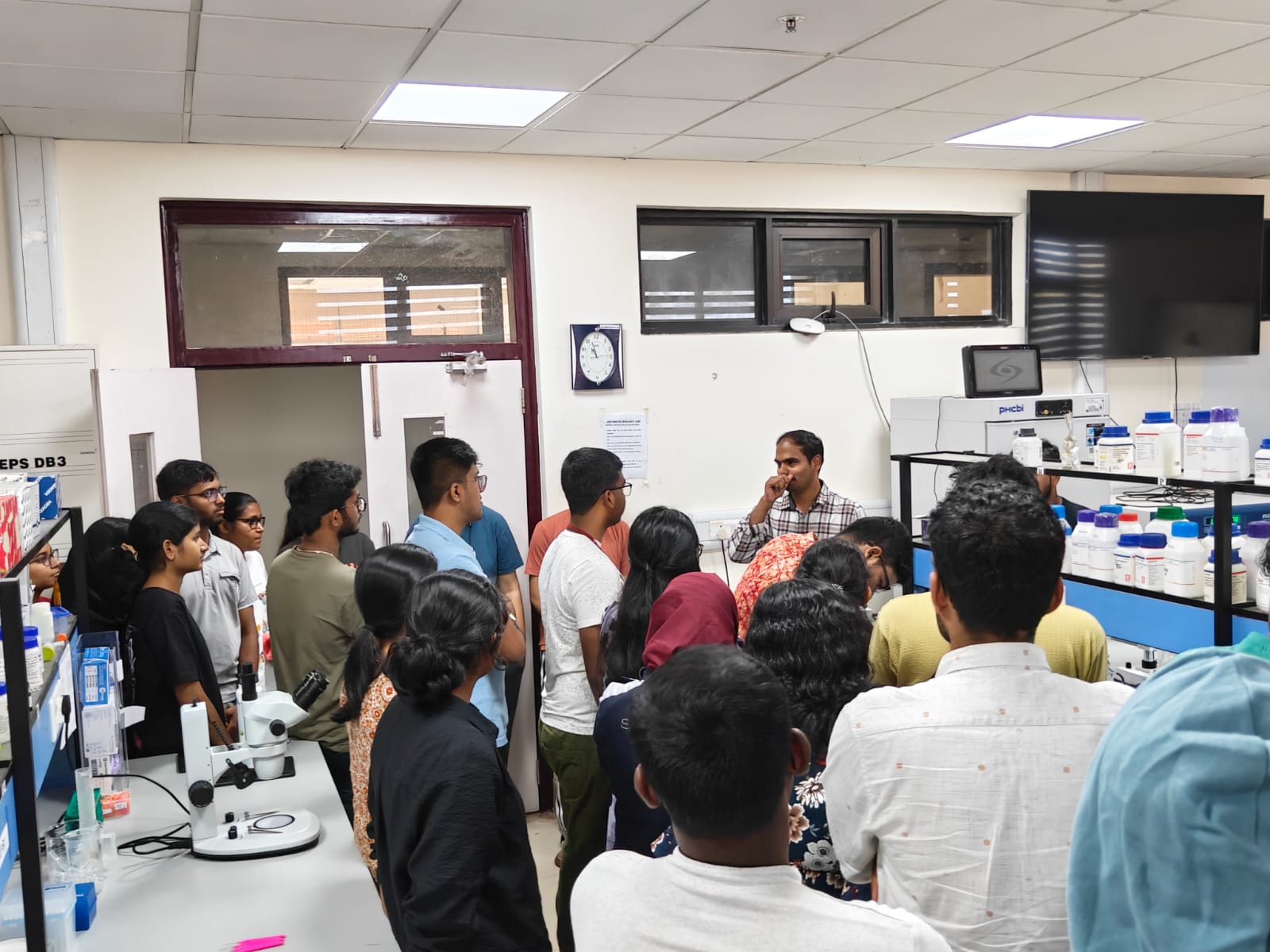
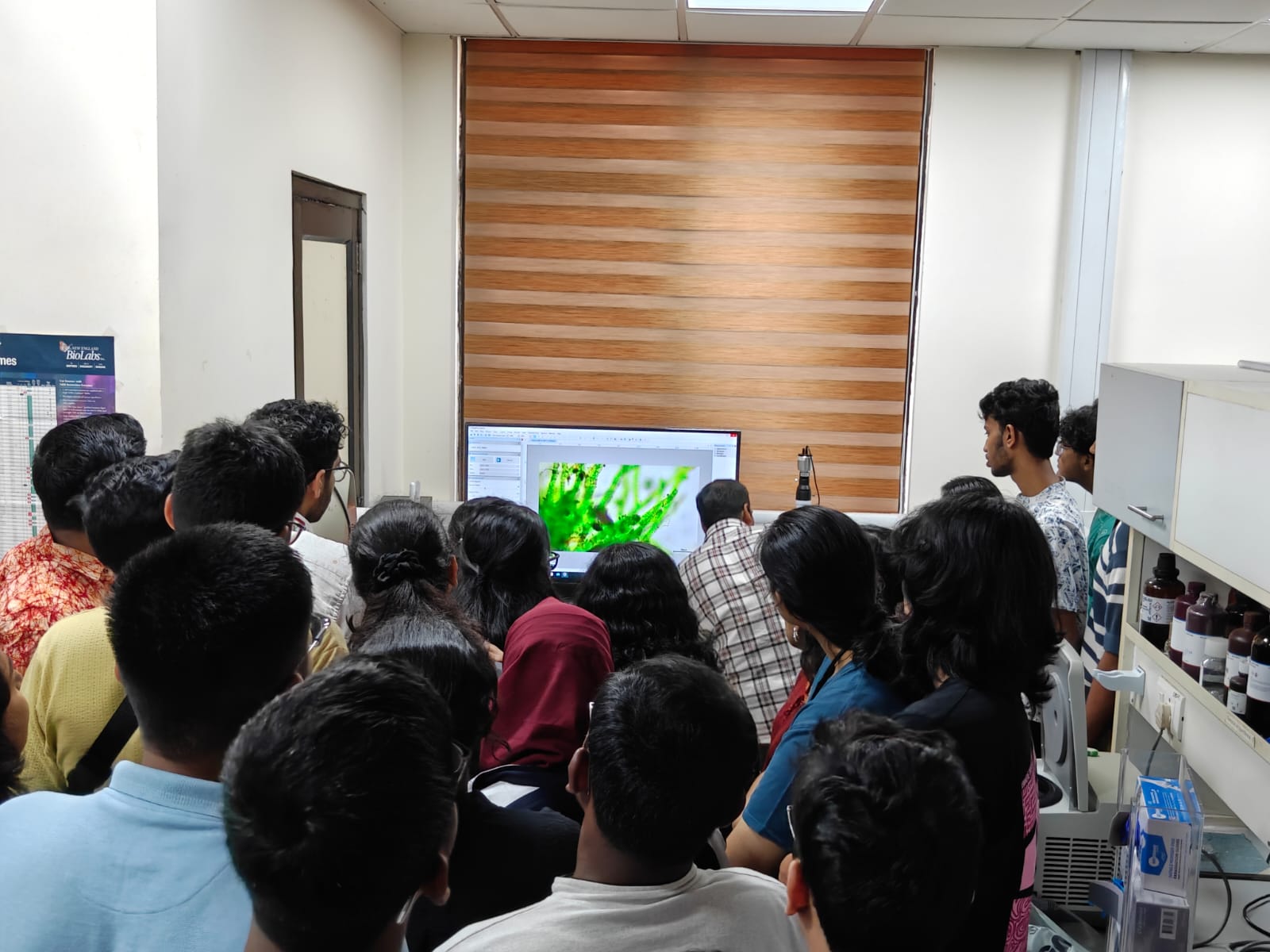
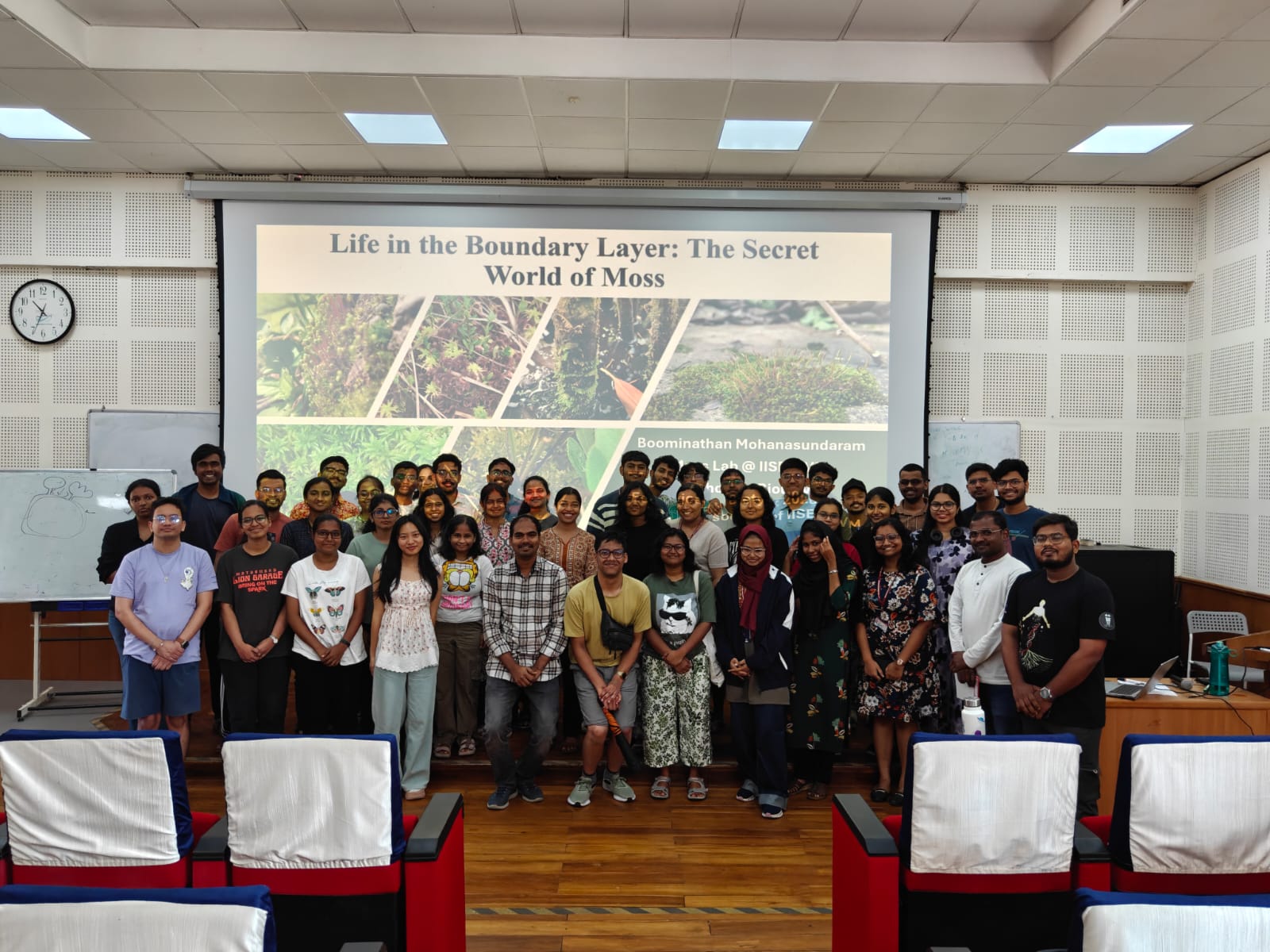
The ecological society of IISER TVM organised an lecture and workshop on the mosses in and around the IISER TVM. Around 50 students attended the lecture and got a hand on training on handling and identifying mosses.